Protecting your intellectual property
Your intellectual property and private information are safe with Xavier

Delivery within 5 days
100% shipment inspection
Full process measurement report
3D scan digital model comparison
Free return of defective products
Drag and drop your files here or click the button below or
STEP | STP I SLDPRT I IPT I PRT I SAT FLES
All uploaded content is secure and confidential.
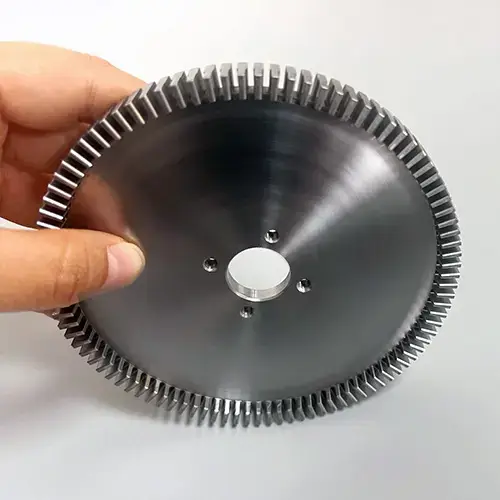
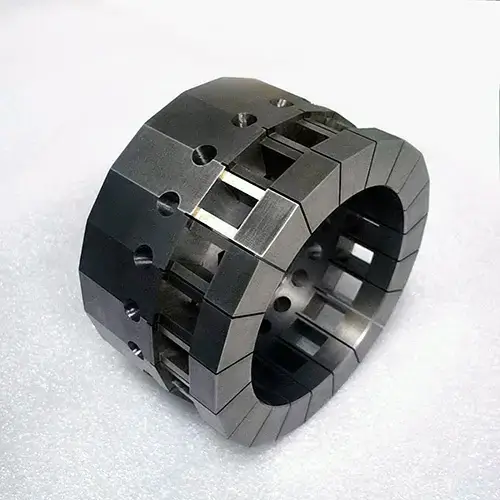
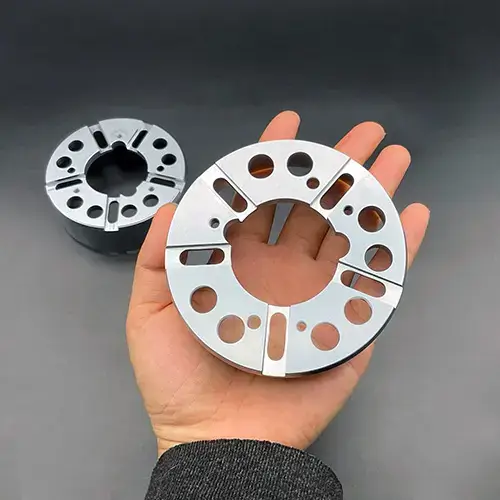
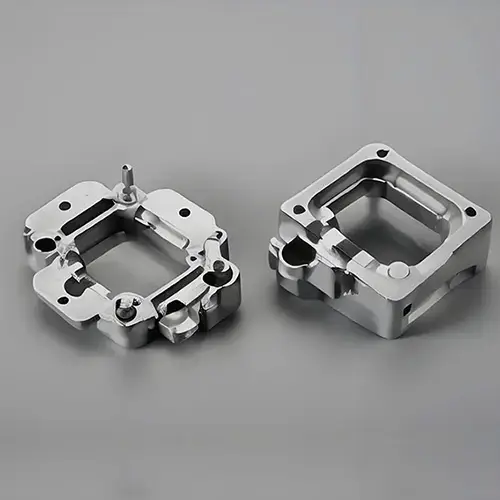
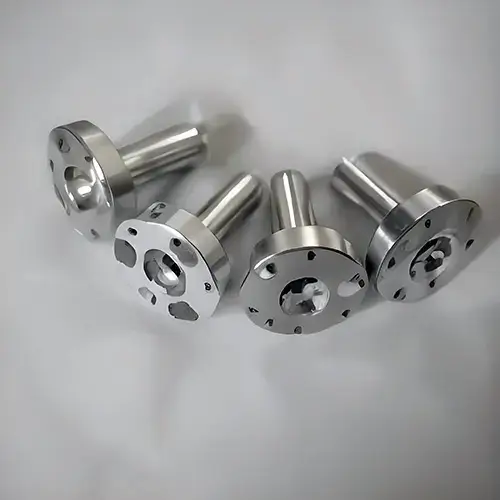
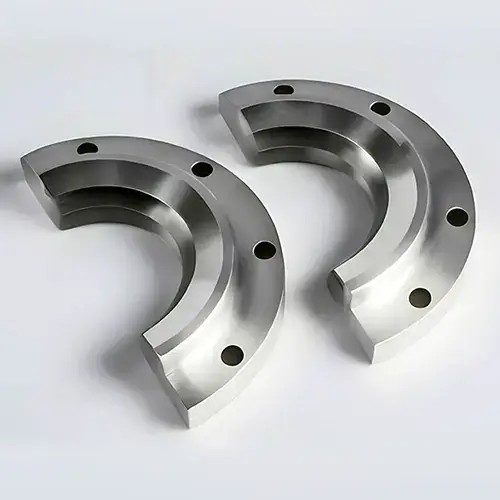
Whether you need high volume or low volume production, one of our greatest strengths is that there is no minimum order and we can produce on demand. xavier’s 3-axis machining also enables high quality, aesthetically pleasing surface finishes that enhance the performance of your product, so if you are looking for a 3-axis machining manufacturer that can provide high precision, accuracy and efficiency, xavier is the right 3-axis machining manufacturer for you! partner.
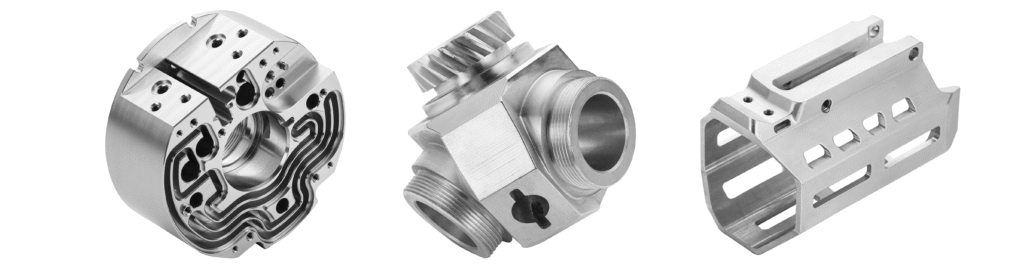
The advantages of 3-axis machined parts are their high accuracy and repeatability, their ability to efficiently handle a wide range of materials, their suitability for complex geometries, and their significant cost-effectiveness for a wide range of aerospace, automotive, medical, and electronics applications, ensuring that every part delivered meets stringent quality standards.
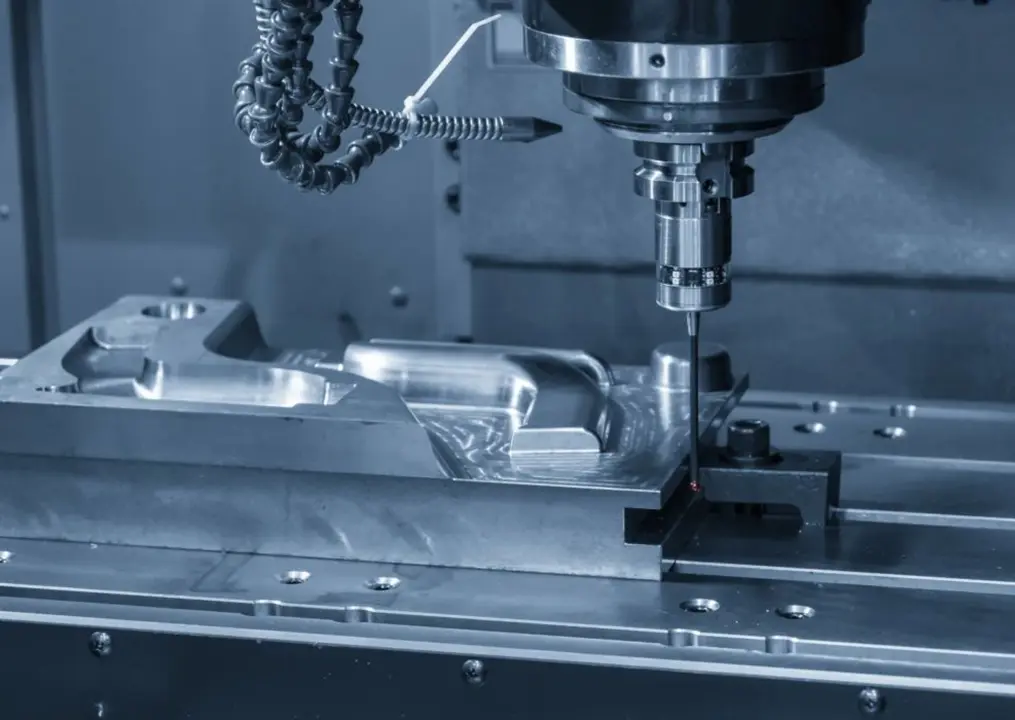
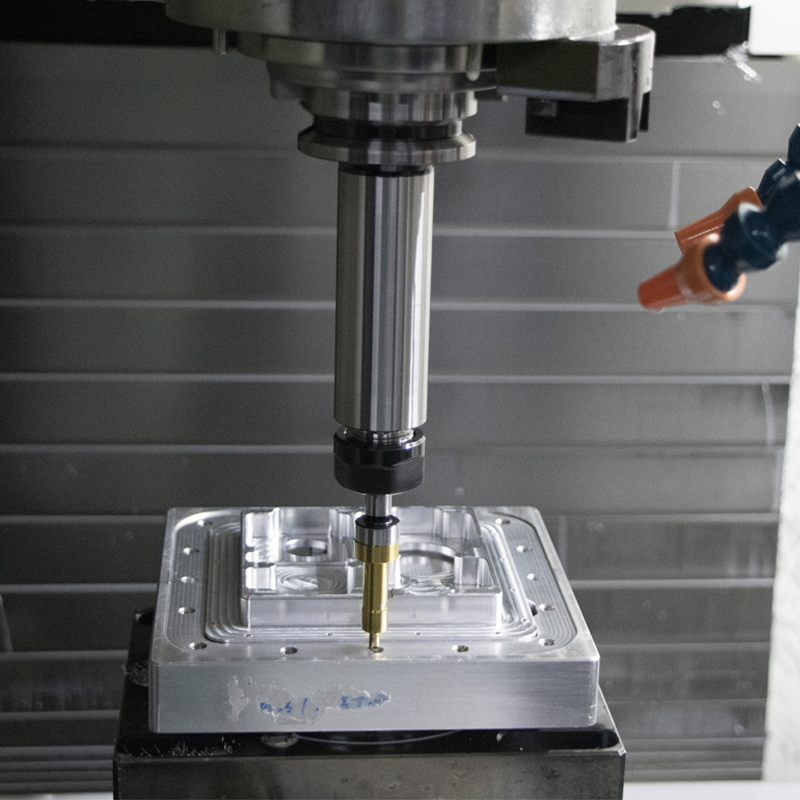
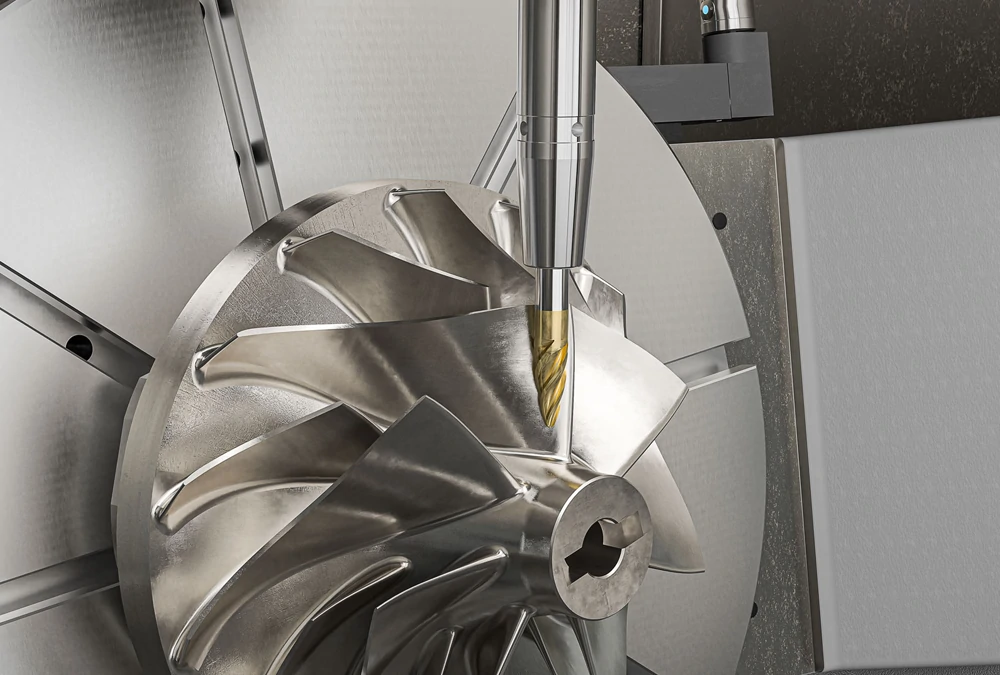
3-axis CNC milling technology is the preferred solution for precision parts machining due to its superior accuracy and efficiency. With high-precision CNC controls and advanced milling equipment, 3-axis CNC milling is capable of machining complex 2D and 3D shapes in a single setup, ensuring that every part meets extremely high standards of accuracy.
The 3-axis CNC milling machine is equipped with precision guideways and a high-precision CNC control system, enabling high-precision machining with tolerances controlled to within 0.004mm. The highly automated machining process reduces human error and ensures consistent and repeatable production, which is especially suitable for mass production.
Large or small workpieces with machinable lengths and widths of 1–2000 mm. SCZY LTD can also provide surface treatment and assembly services upon request.


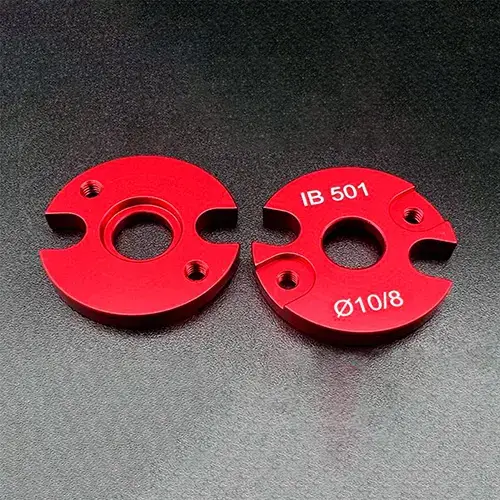
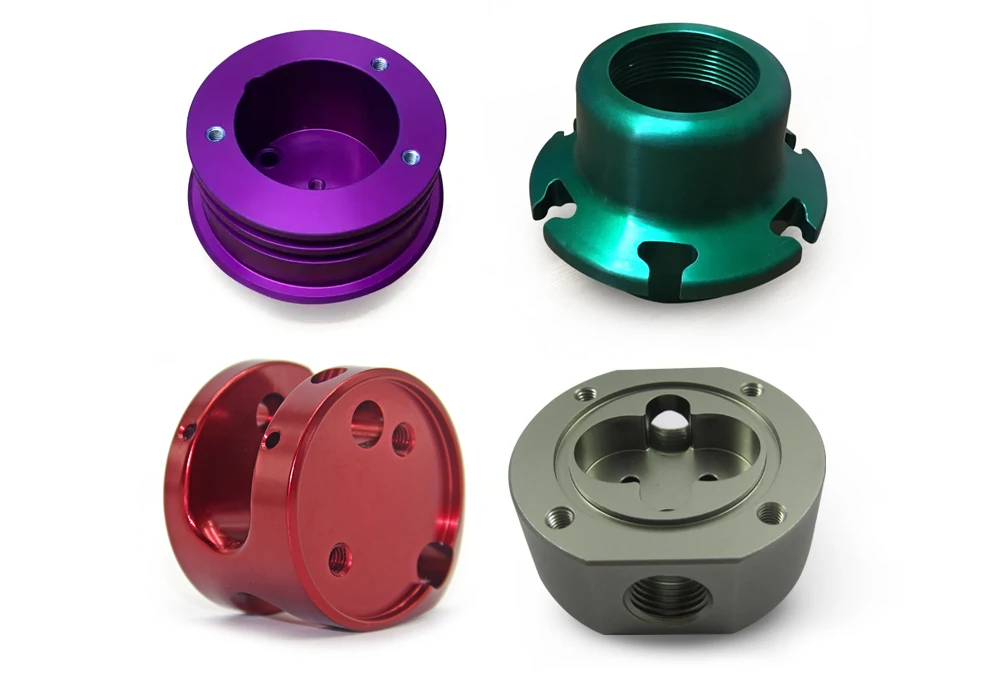
SCZY LTD specializes in surface treatment services centered around 3-axis CNC milling, offering over 20 processes including sandblasting and anodizing. Tooling and fixtures are optimized to ensure consistency in mass production, and the company is equipped with high-precision inspection equipment and provides reports on 12 key indicators. A cluster of 3-axis machines supports mass production of over 5,000 units. Through FMEA pre-control, production cycles are compressed by 30%. Customized processing solutions are available for electronic components and medical devices, meeting FDA and ISO 13485 certification requirements. The entire process is managed under an ISO 9001:2015 quality control system, achieving surface treatment results接近5-axis precision at 3-axis cost efficiency.
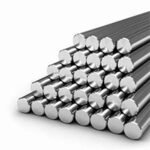
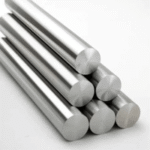
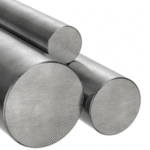
SCZY LTD specializes in 3-axis CNC metal milling, offering a comprehensive range of materials including aluminum alloy, stainless steel, brass, and titanium alloy, all compliant with international standards and accompanied by material reports. Utilizing 3-axis technology, we achieve precision of ±0.01mm and surface finish of Ra≤0.8μm. We support production runs from 5 to 5,000+ pieces, with real-time order tracking and 10-year quality traceability. Our professional team provides DFM analysis, recommends materials based on industry requirements, offers customized post-processing solutions, ensures compliance with certifications, provides 24-hour feedback on DFM recommendations, and offers free sample testing.
High machinability and ductility, good strength-to-weight ratio. Aluminum alloys have good strength-to-weight ratio, high thermal and electrical conductivity, low density and natural corrosion resistance. Can be anodized.
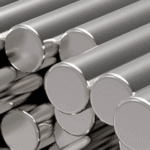
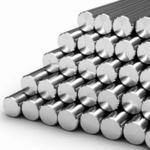
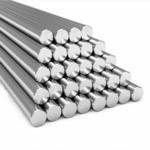
High tensile strength, corrosion and temperature resistant. Stainless steel alloys have high strength, ductility, wear and corrosion resistance. They can be easily welded, machined and polished.
High machinability and weldability, high stiffness. Mild steels are low-carbon metal alloys offering good mechanical properties, machinability and weldability at low cost. Can be carburized to increased hardness.
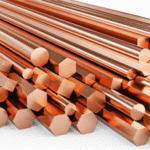
Excellent thermal and electrical conductivity Copper offers excellent thermal and electrical conductivity, it's often used for busbars, wire connectors, and other electrical applications. Copper has a glossy reddish-orange appearance.
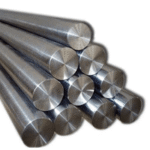
Excellent strength to weight ratio, used in aerospace, automotive and medical industries. Titanium is a metal with excellent strength-to-weight ratio, low thermal expansion and high corrosion resistance that is sterilizable and biocompatible.
Tool steel has high hardness and can maintain high hardness and red hardness at high temperatures, as well as high wear resistance and appropriate toughness. Tool steel is generally divided into carbon tool steel, alloy tool steel and high-speed tool steel.
Superalloys have excellent high-temperature strength, good oxidation resistance and hot corrosion resistance, good fatigue properties, fracture toughness and other comprehensive properties, and are mainly used in the aerospace and energy fields.
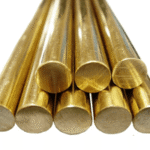
Brass has strong wear resistance, high strength and hardness, and strong resistance to chemical corrosion. Brass is often used to make wear-resistant parts such as valves and watch movements.
Alloy steel has special properties such as high strength, high toughness, wear resistance, corrosion resistance, low temperature resistance, high temperature resistance, and magnetism.
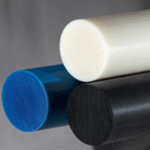
Engineering plastics have excellent comprehensive properties, such as high rigidity, low creep, high mechanical strength, good heat resistance, and good electrical insulation. They can be used in harsh chemical and physical environments for a long time and can replace metals as engineering structural materials.
A wealth of manufacturing processes and experienced capabilities to meet your production needs help streamline your supply chain and enable “one-stop” ordering for your entire project.
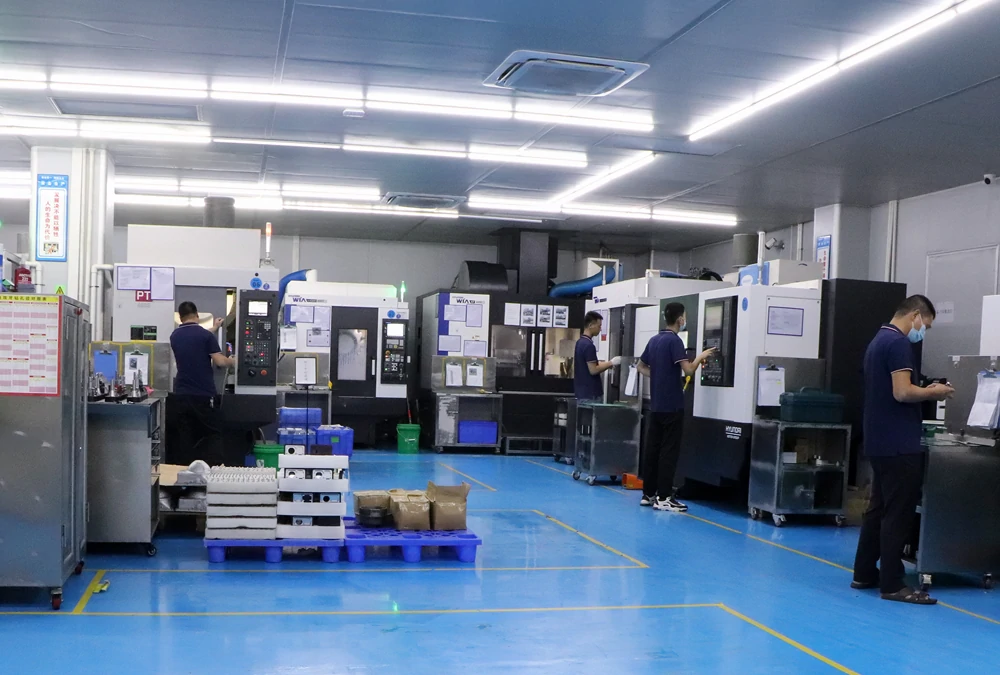
SCZY LTD, as a seasoned CNC milling manufacturer, serves over 20 countries worldwide across more than 20 industries, including micro-infrared, aerospace electronics, and new energy vehicles. The company is divided into five business divisions based on technology: optical, fluid control, transportation, smart manufacturing, and semiconductor fixtures. These divisions precisely align with industry needs: optical specializes in micro-nano processing, fluid control excels in high-pressure valve bodies, transportation focuses on lightweight alloy components, and smart manufacturing targets semiconductor fixtures. With over 30 five-axis/three-axis machines (±0.003mm precision) and ISO certification, we offer end-to-end services from DFM to mass production, ensuring seamless demand alignment and quality control.
Browse our 3-axis CNC milling FAQs to learn more about our 3-axis CNC machining services and how we can support your manufacturing needs.
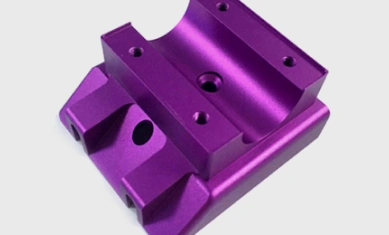
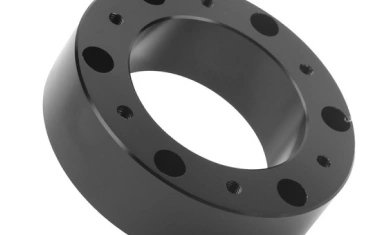
3-axis milling is best suited for producing parts with relatively simple geometries. It is ideal for tasks such as flat machining, drilling, slotting, pocket milling (cavity milling), and milling 2D or 2.5D contours. Common examples include machine brackets, equipment housings, tooling fixtures, mounting fixtures, and any components where the primary features are concentrated on a single plane. It is the preferred machining method for the vast majority of functional mechanical parts.
The main limitation of 3-axis machining is that it cannot machine all sides of a part in a single operation. If the machine is not stopped to manually flip and re-clamp the workpiece, it cannot produce features located on the sides or bottom. In addition, it cannot machine complex curved surfaces that require tool tilting, nor can it produce “undercut” structures (i.e., internal features that cannot be seen from a top-down view).
“Clamping” refers to the process of securing a part in a specific orientation on a machine tool for a single machining operation. If a part has multiple surfaces that require machining (e.g., holes on both the top and sides), a 3-axis machine tool will require multiple clamping operations. The operator must stop the machine, release the part, flip it over, and precisely re-secure it to machine another surface (second clamping) after completing one surface (first clamping). Each additional clamping significantly increases labor time and costs and may introduce minor alignment errors.
As long as the geometry of the part allows it, you should choose 3-axis machining, as it is almost always the most cost-effective option. If your part can be completed with just one or two simple setups, 3-axis machining is the best solution. Only when the complexity of the part—such as features on the sides of a cylinder, complex organic surfaces, or inclined holes—truly requires an additional rotary axis to complete should you consider upgrading to 4-axis or 5-axis machining.
To optimize your design for 3-axis machining, try to integrate all features onto the same plane to avoid additional clamping. Ensure that all internal corners have a radius, as circular tools cannot cut sharp corners. Avoid designing deep, narrow grooves, as these require the use of long, thin tools that are prone to breakage and reduce machining speed. Finally, use standard hole diameters and radius sizes as much as possible to avoid the use of expensive non-standard tools.
We are committed to providing you with efficient, convenient, and accurate solutions to help you achieve rapid product development and high-quality production. Upload your files now to get your free solution!
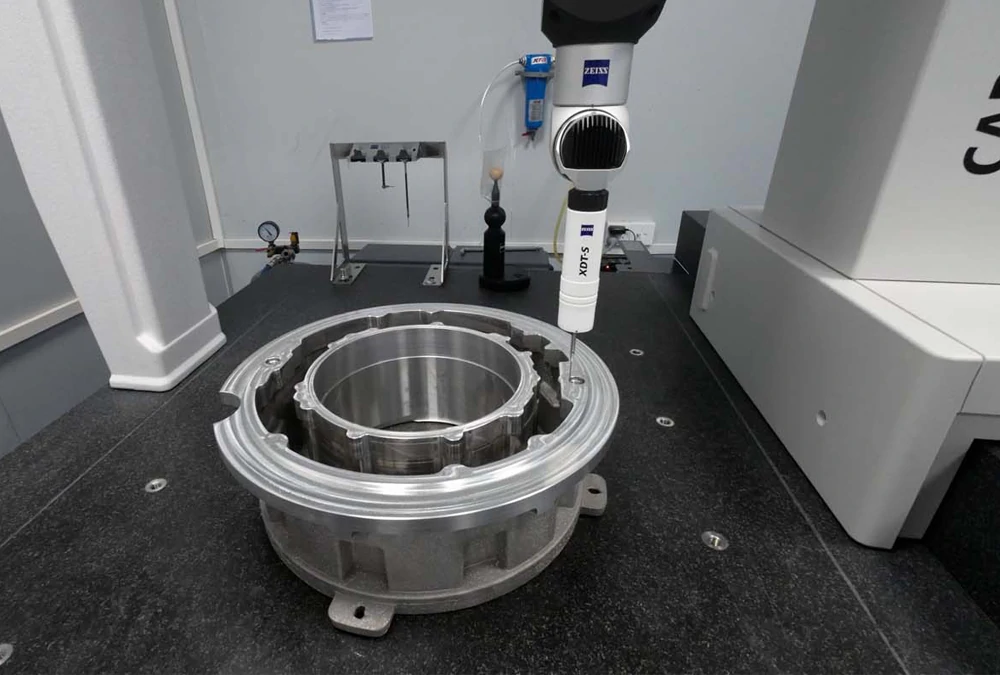
Zeiss & Mitutoyo coordinate measuring machines
Real-time quality monitoring
Complete traceability and material test reports
Questions about our product or pricing? Call for support
Our support will help you from 9am to 5pm EST.
Customize your parts with ease!
The latest news, trends, and manufacturing design techniques in precision CNC machining.

Your intellectual property and private information are safe with Xavier

This Privacy Notice (the “notice”) sets out how we, Xavier Precision

From mission-critical aerospace components enabling space exploration to life-saving medical